Annika Felder
Menu
X
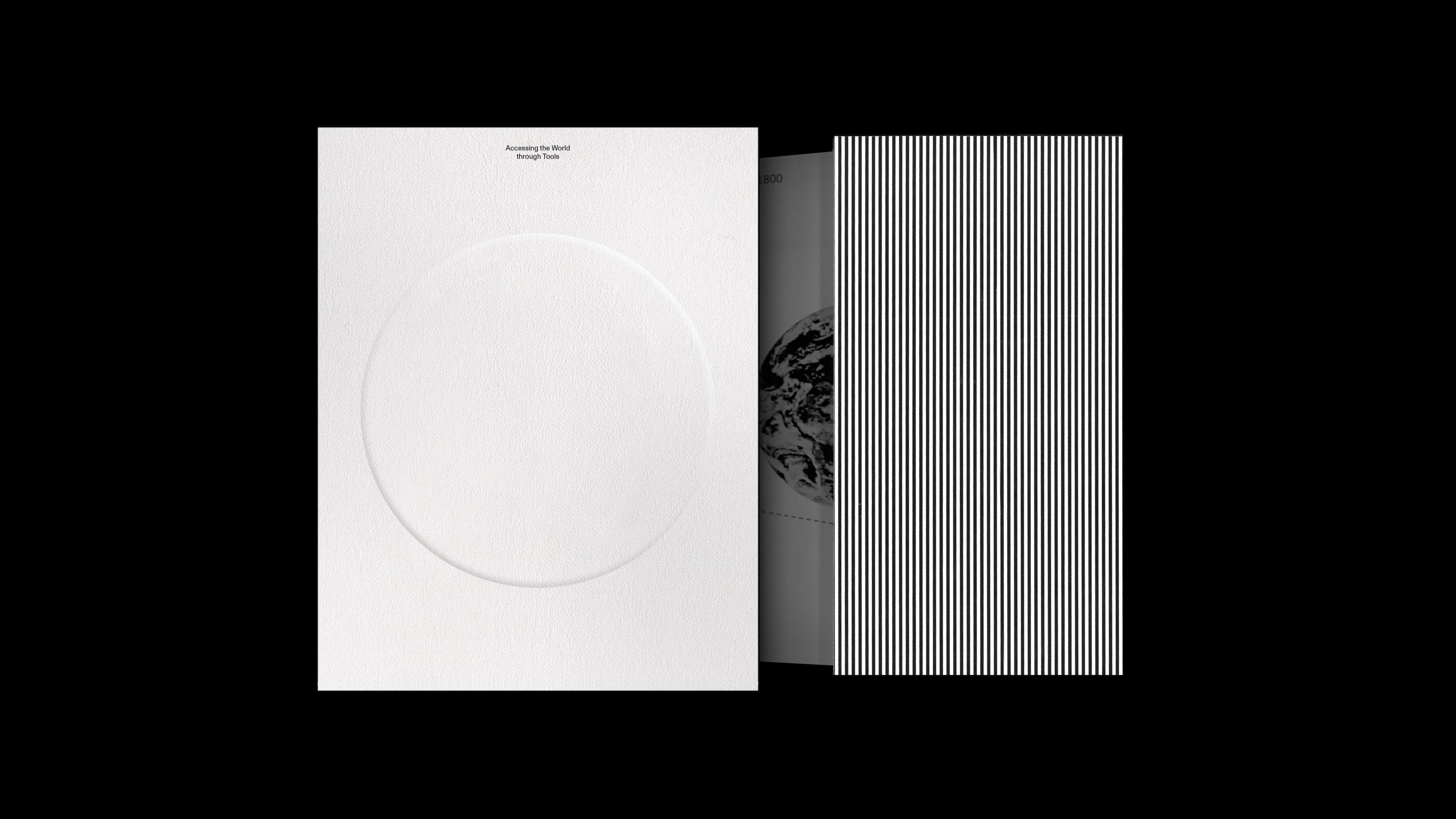
The quest for universal knowledge has haunted people throughout the centuries and many have attempted to collect it within the constraints of a single medium – within the walls of a room, the pages of a book, the drawers of an archive, or the structures of a digital network. This self-conducted research, and the resulting book design, positions contemporary developments at the forefront of information architecture within a broader narrative: the symbiotic relationship between our desire for knowledge and the tools we have created to obtain it.
ABSURD ENDEAVOURS
Our current cultural moment is all about accessing, distributing, analysing, capitalising on and utilising information. Furthermore, the tools we have created to do so have never been more powerful, impactful and more consequential to the way we relate to the world, each other and knowledge as an idea. While today’s algorithmic data structures are busy mediating access to information, co-learning, mirroring patterns, and guiding our choices, we are confronted with the question “What type of world are these tools portraying?”
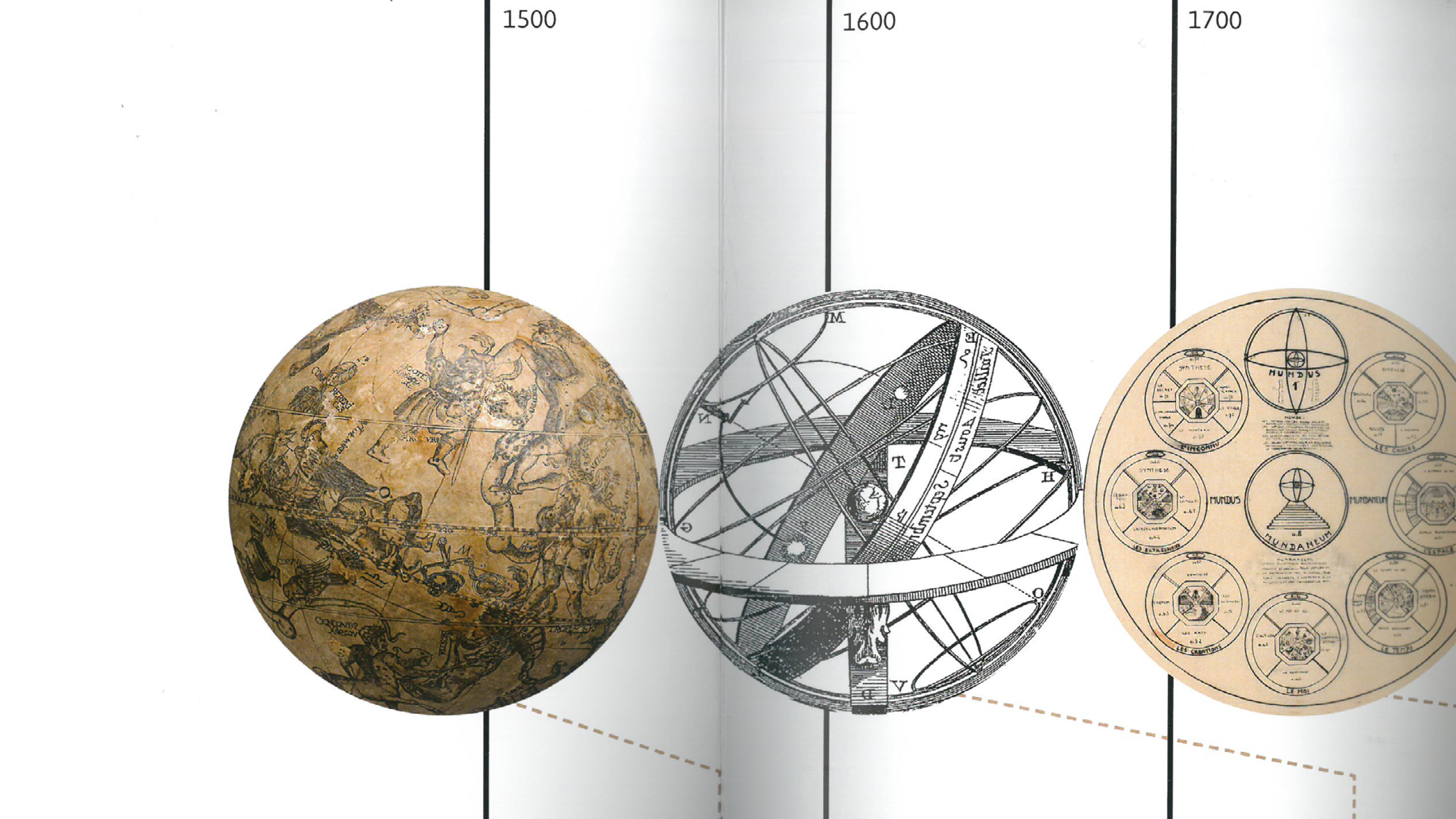
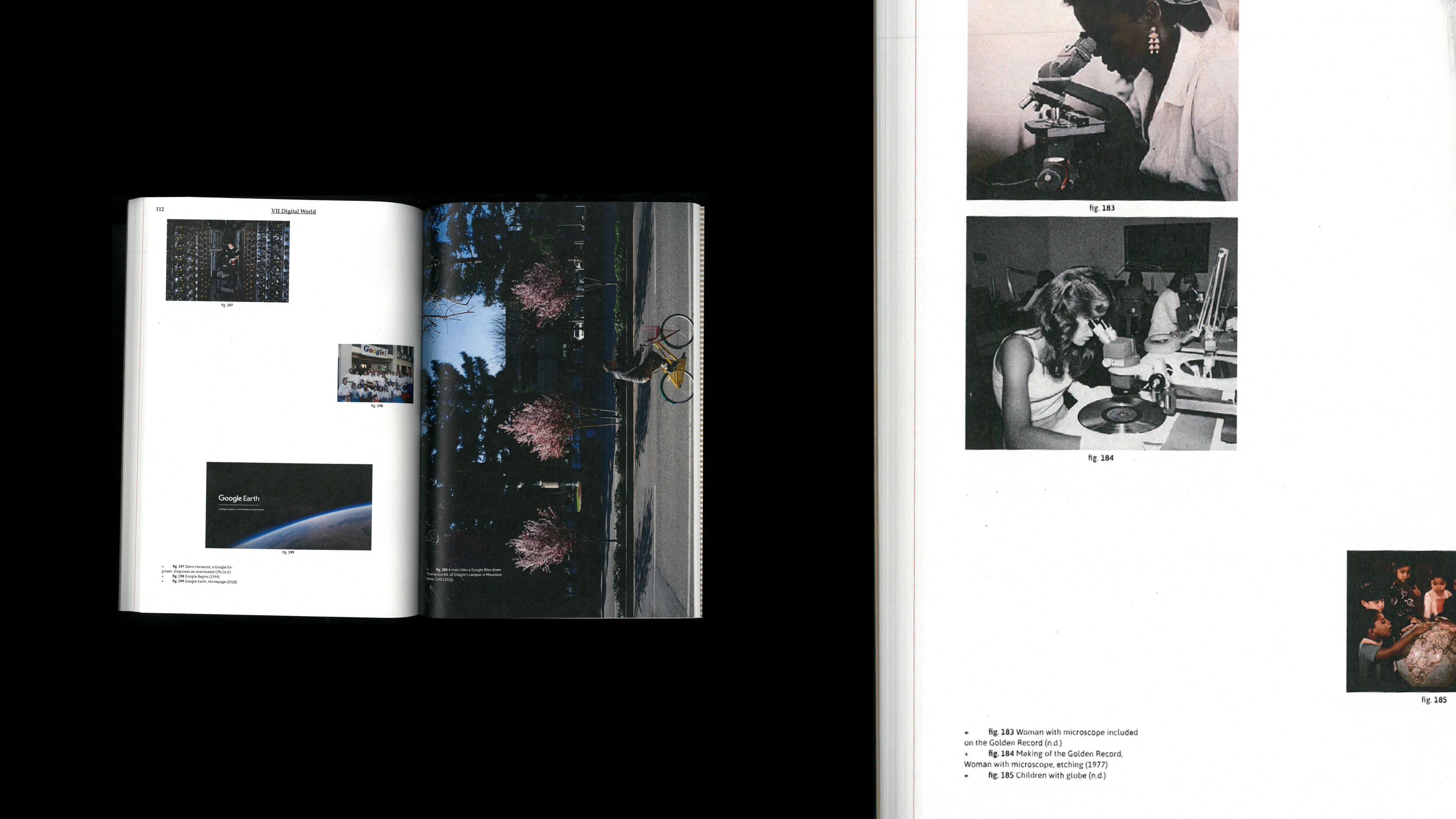
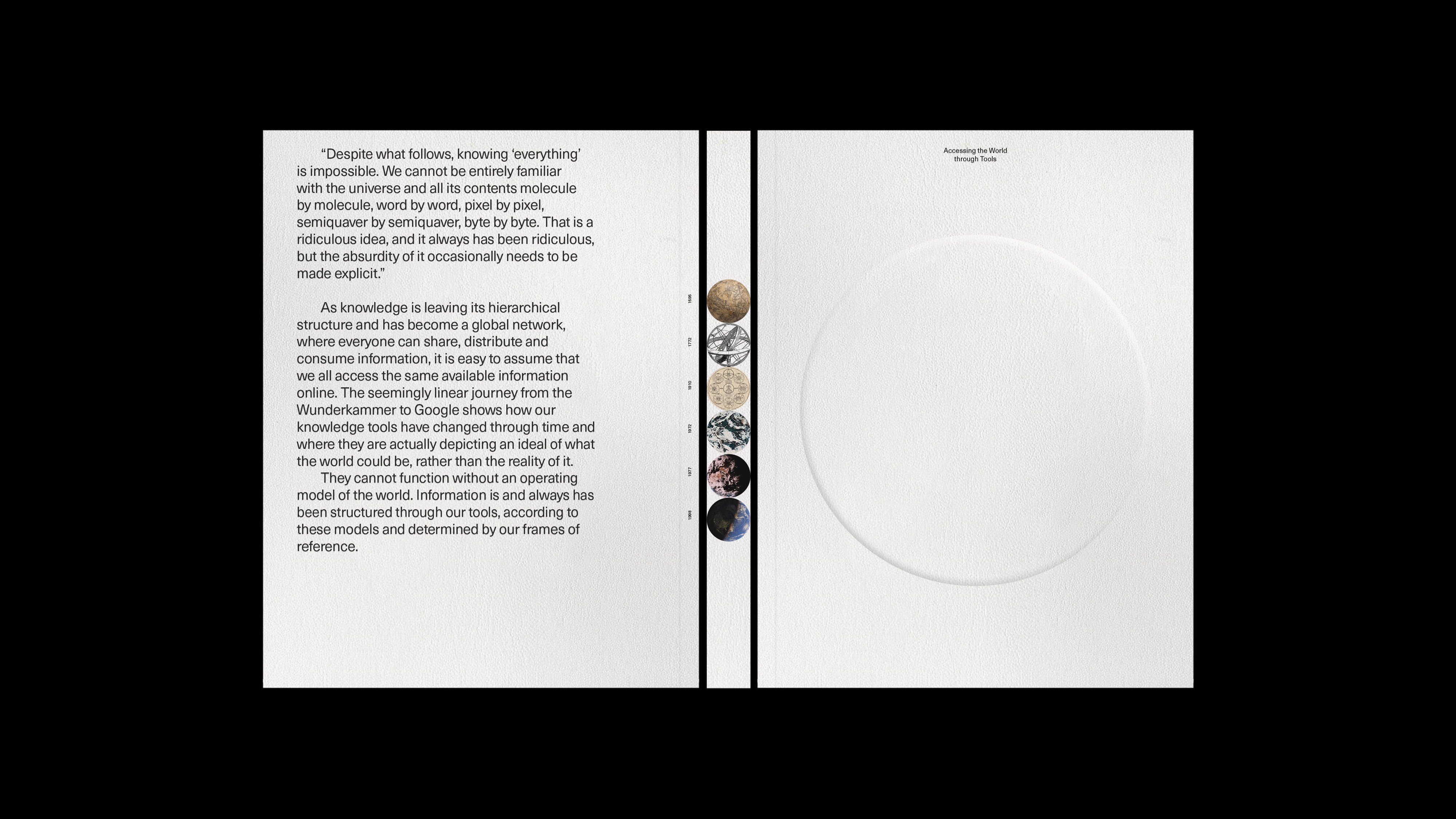
By taking readers on a seemingly linear journey from the Wunderkammer to web-based tools, this work uses short, anecdotal stories to invite reflection on a key shift: knowledge is no longer just about knowing, but also about being known by our tools and the worldviews they shape. It explores how information is, and always has been, structured through the tools we create, shaped by subjective models of the world and our own frames of reference.
“Despite what follows, knowing ‘everything’ is impossible. We cannot be entirely familiar with the universe and all its contents molecule by molecule, word by word, pixel by pixel, semiquaver by semiquaver, byte by byte. That is a ridiculous idea, and it always has been ridiculous, but the absurdity of it occasionally needs to be made explicit.” (The World as Information: Overload and Personal Design, by Robert D. Abbott)