Annika Felder
Menu
X
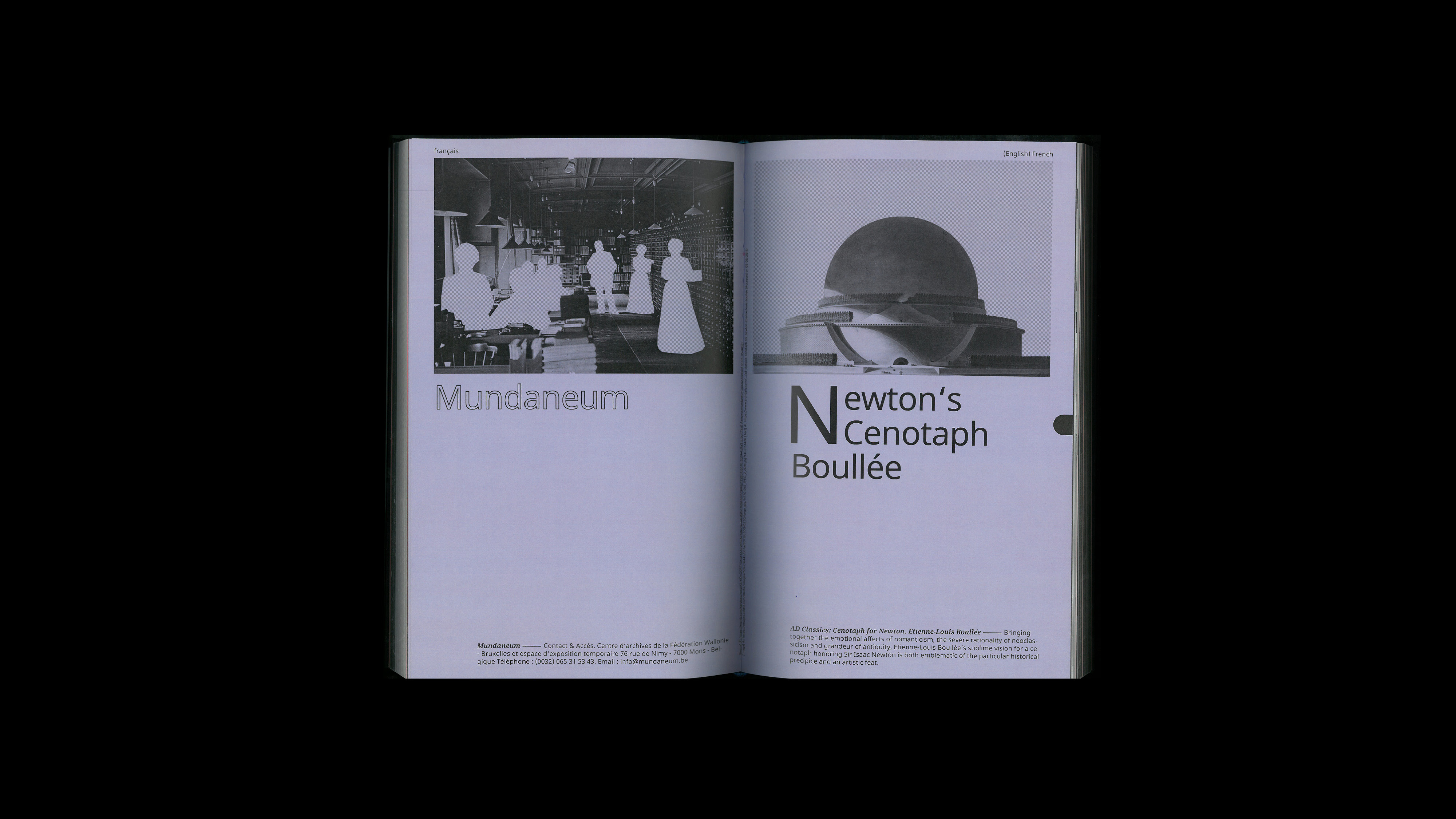
This book series translates the complexities of digital search tools into the familiar analogue format of an encyclopaedia. By adopting organisational systems used by Google—such as timelines, popularity, and location—it highlights how knowledge has become increasingly personalised. Across its five volumes, the series invites viewers to engage with these inherent biases in a visually playful way.
AN ENCYCLOPAEDIA ON THE HUMAN OBSESSION WITH ABSOLUTE KNOWLEDGE
In the evolution of knowledge tools, Google is a recent and widespread answer to the human desire to capture the whole world in one medium. As a contemporary tool, it makes the world accessible to the individual and attempts to free information from restrictions such as rank, time, medium, location, or language. However, these parameters cause the user to become a central factor in the personalisation of information.
EXPERIENCING SEARCH IN THE FORM OF A BOOK
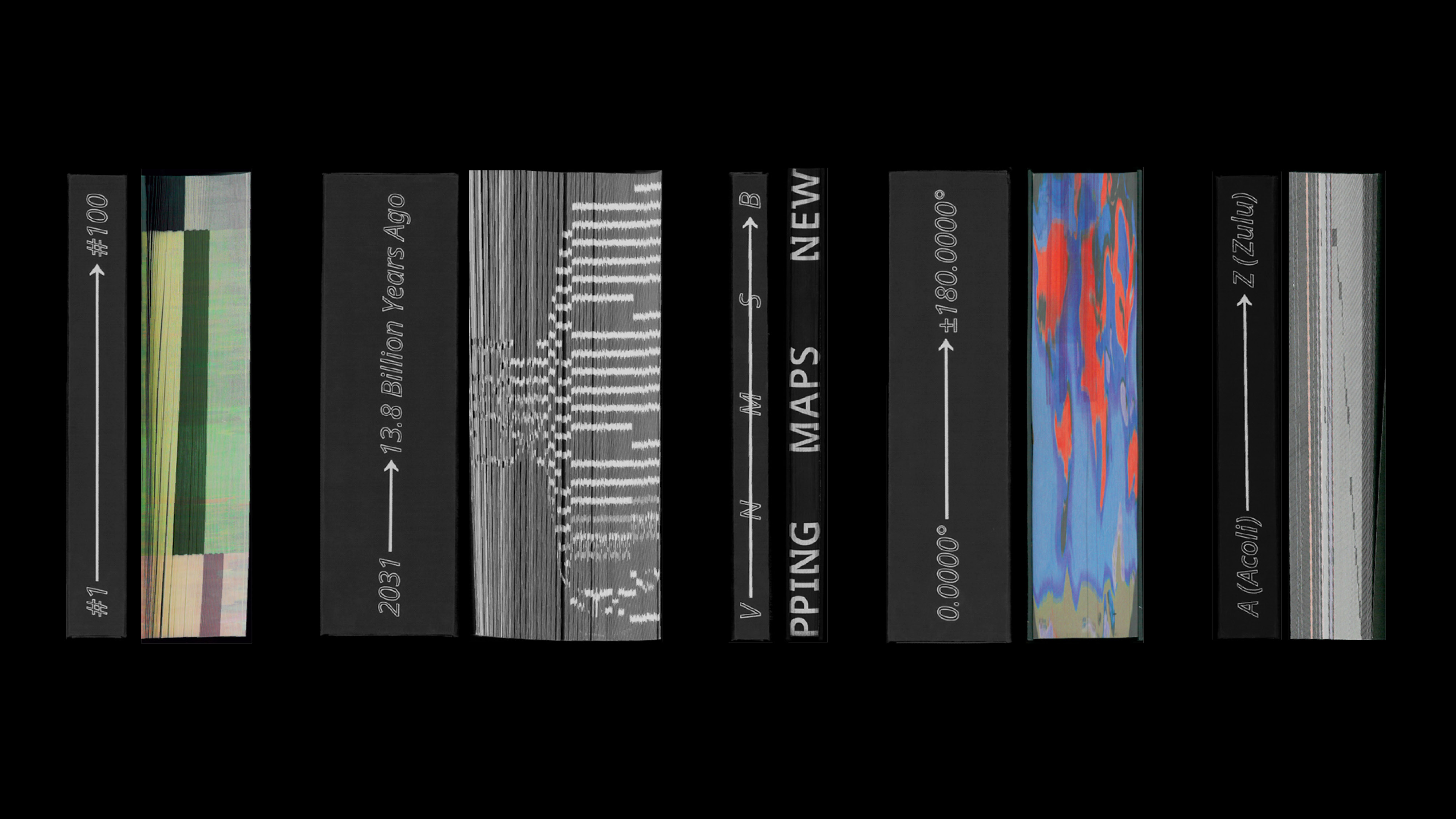
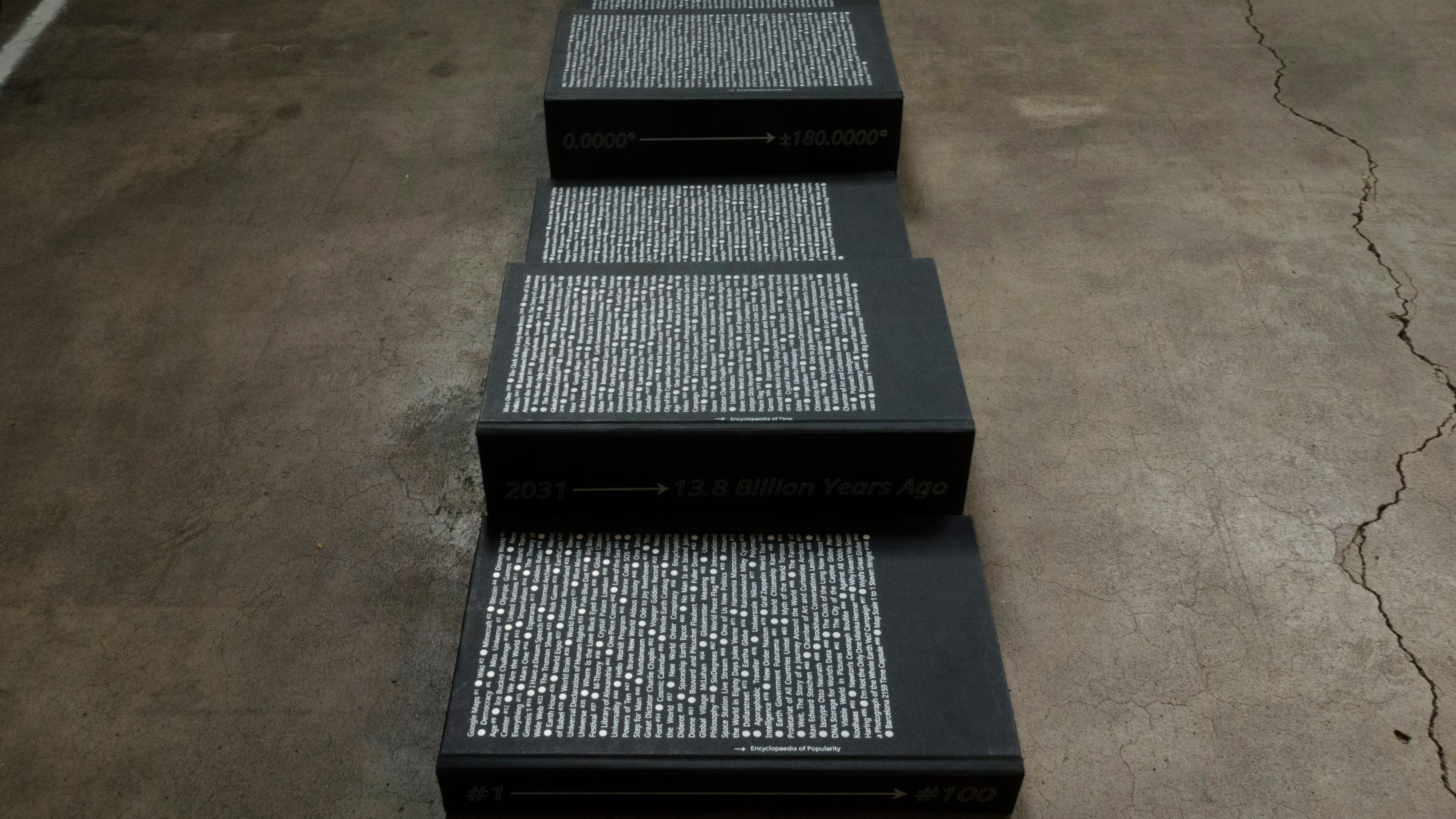
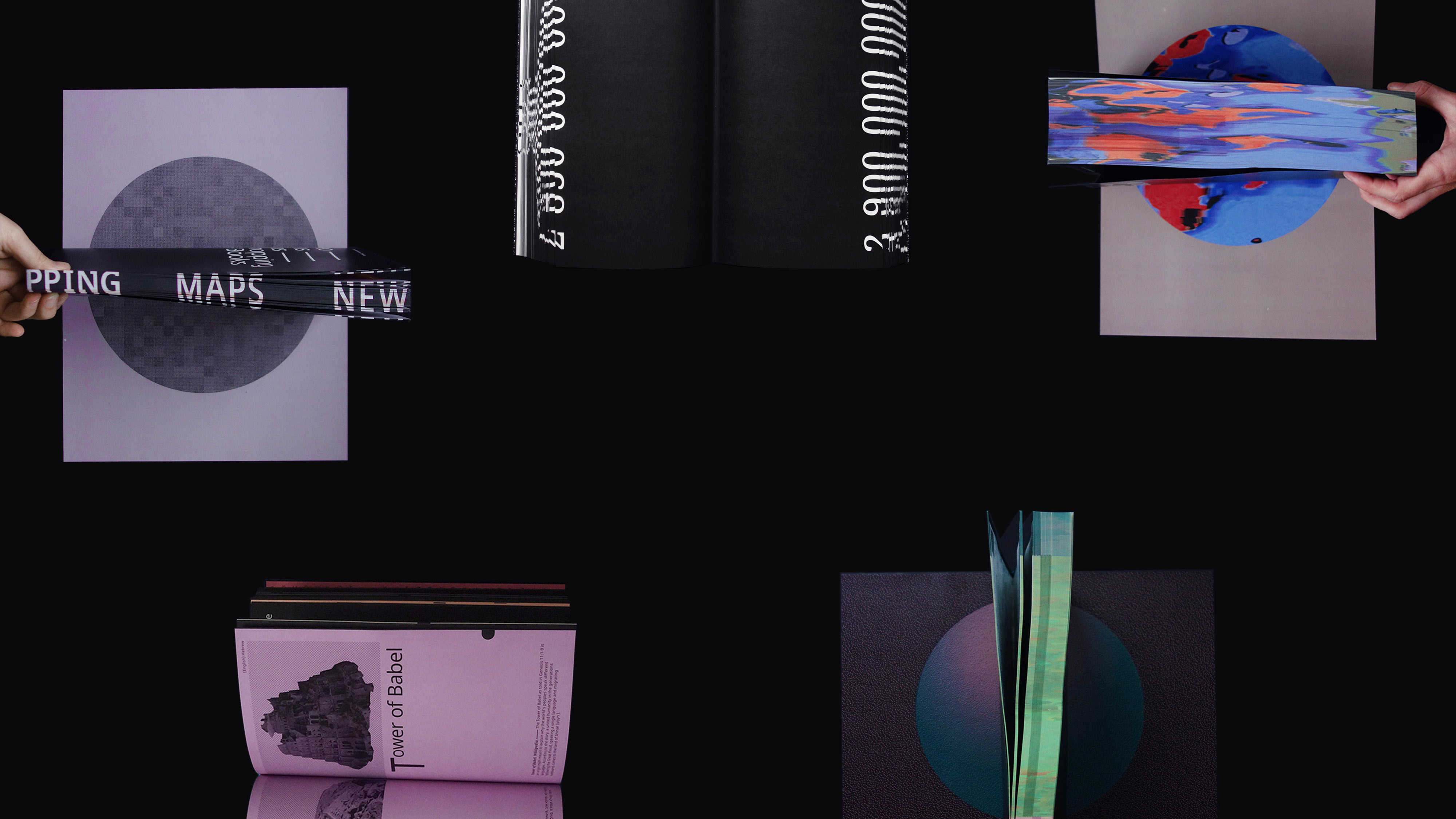
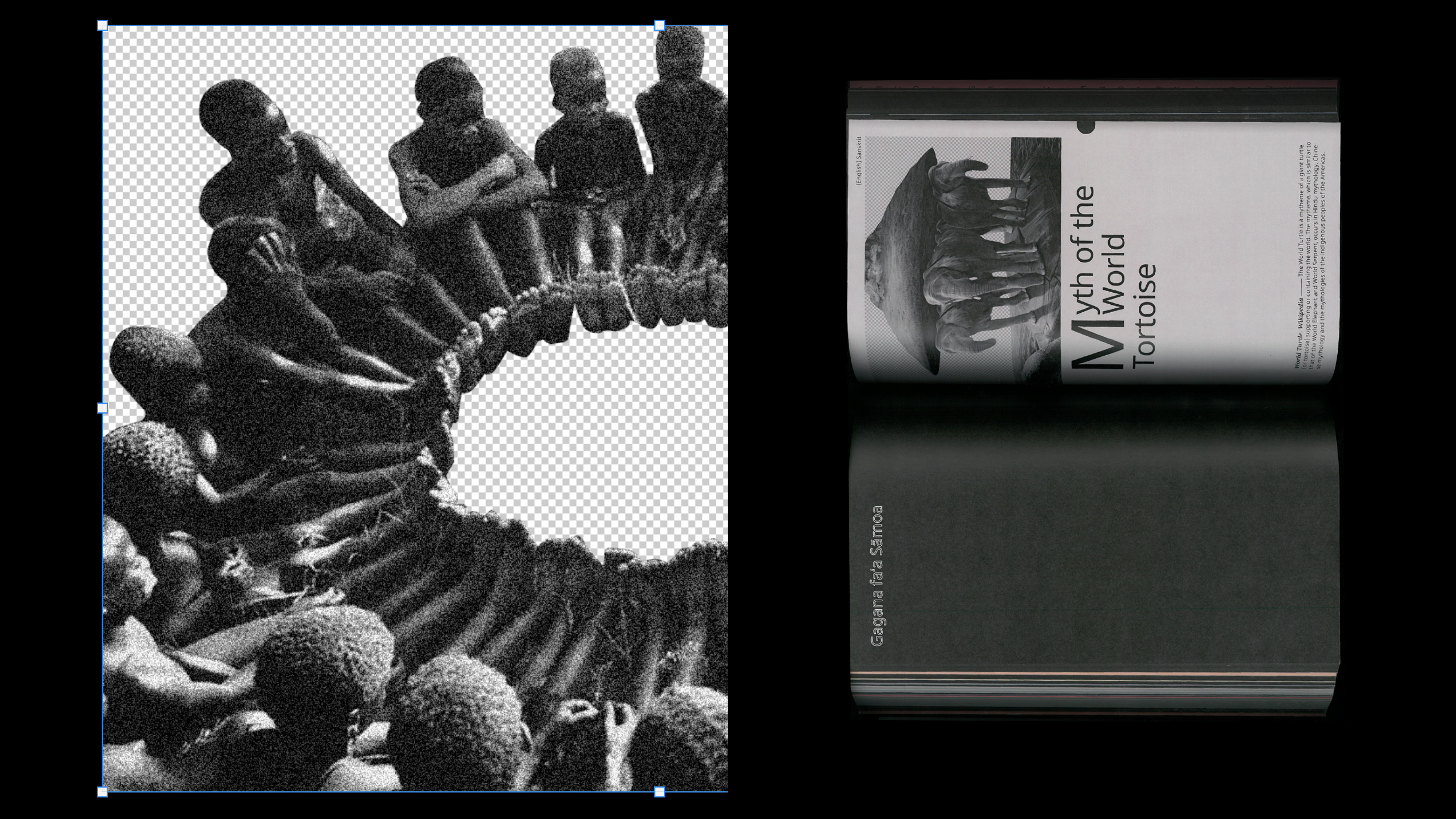
Each of the five volumes illustrates one organisational system Google applies to search—such as popularity, time, medium, location, and language. These fictional encyclopaedias contain Google results for the same 100 terms dealing with the topic of universality. The results are vastly different, showing how subjective knowledge has become.
PRINTING TECHNIQUES
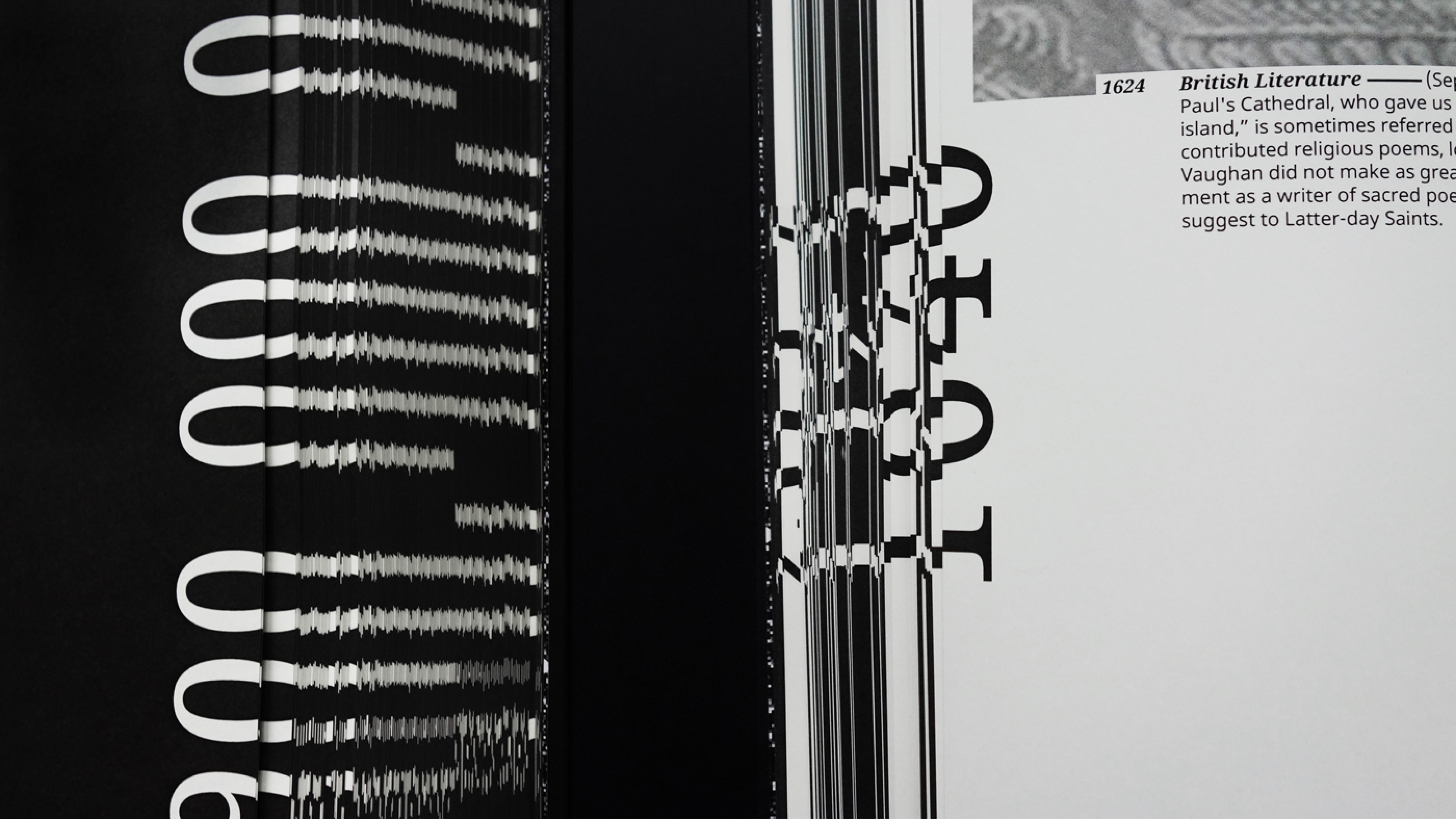
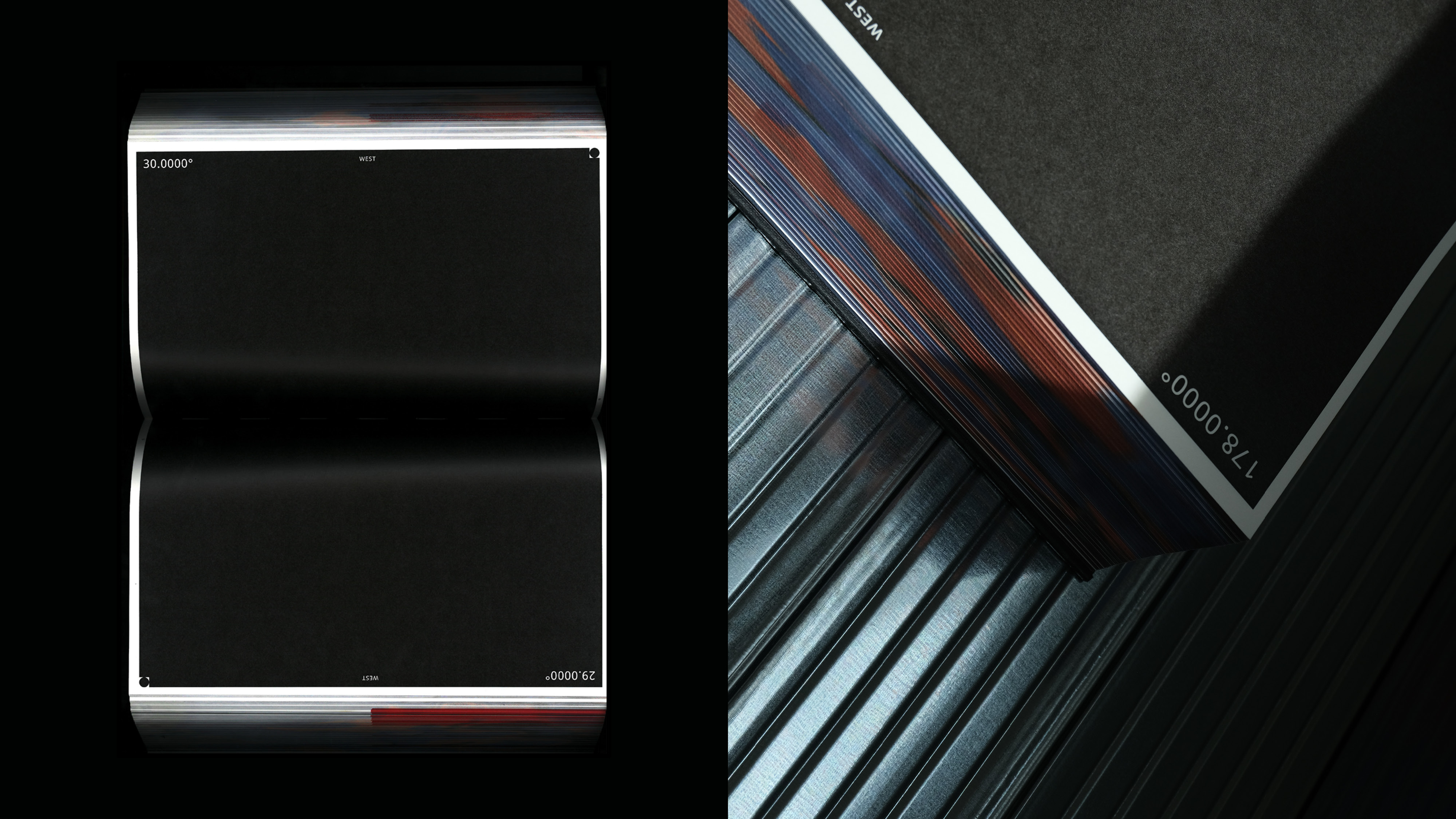
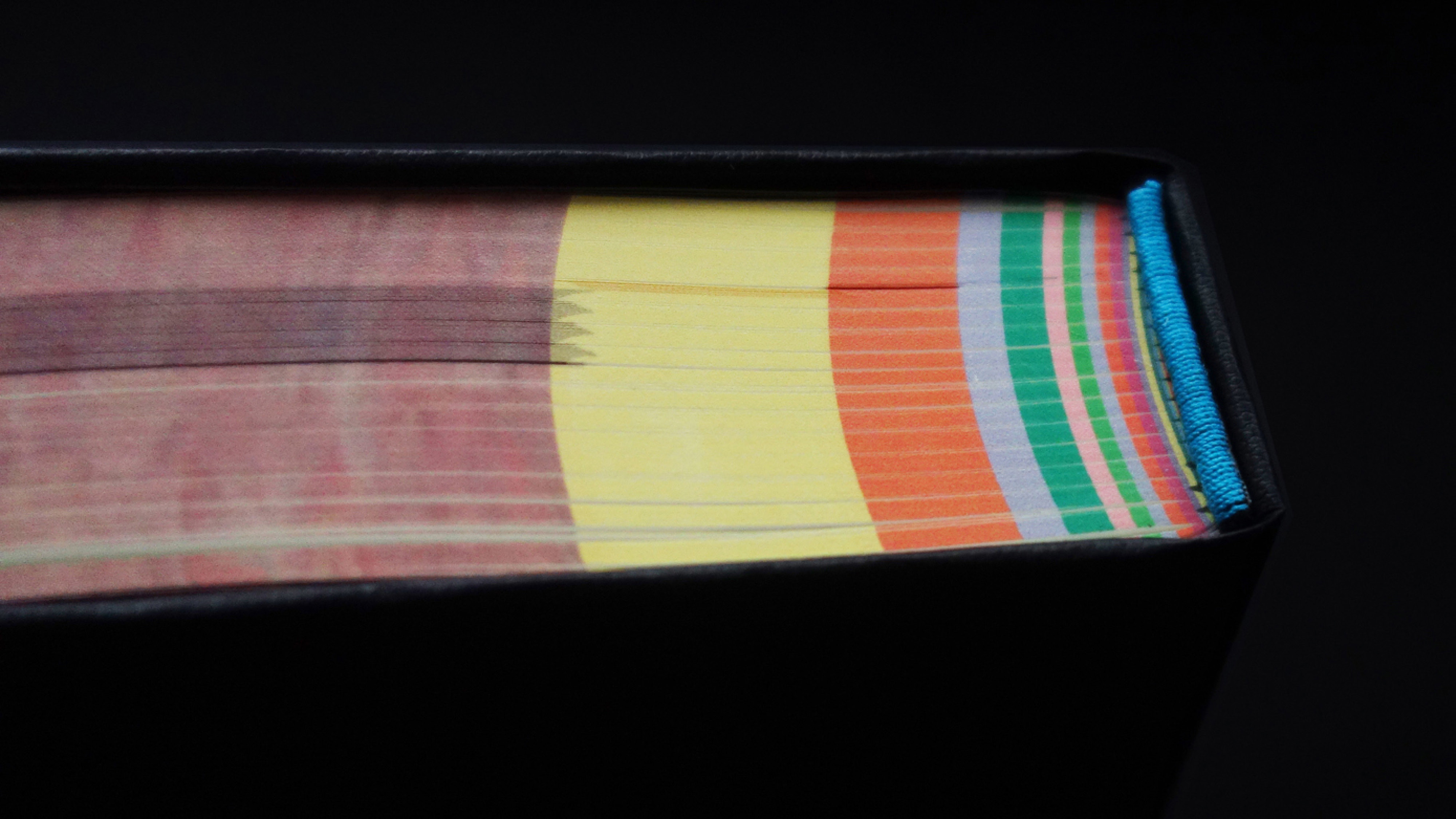
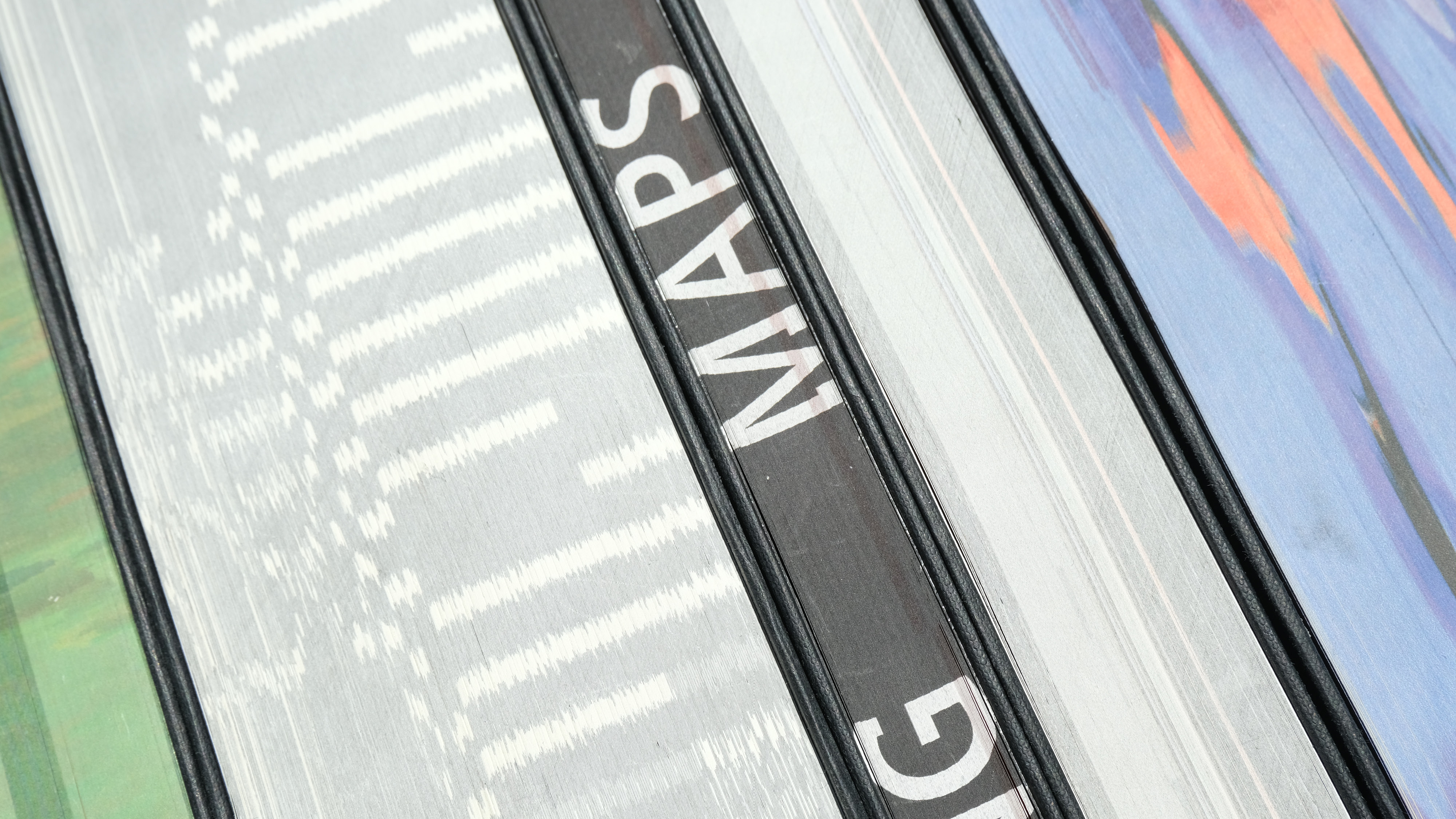
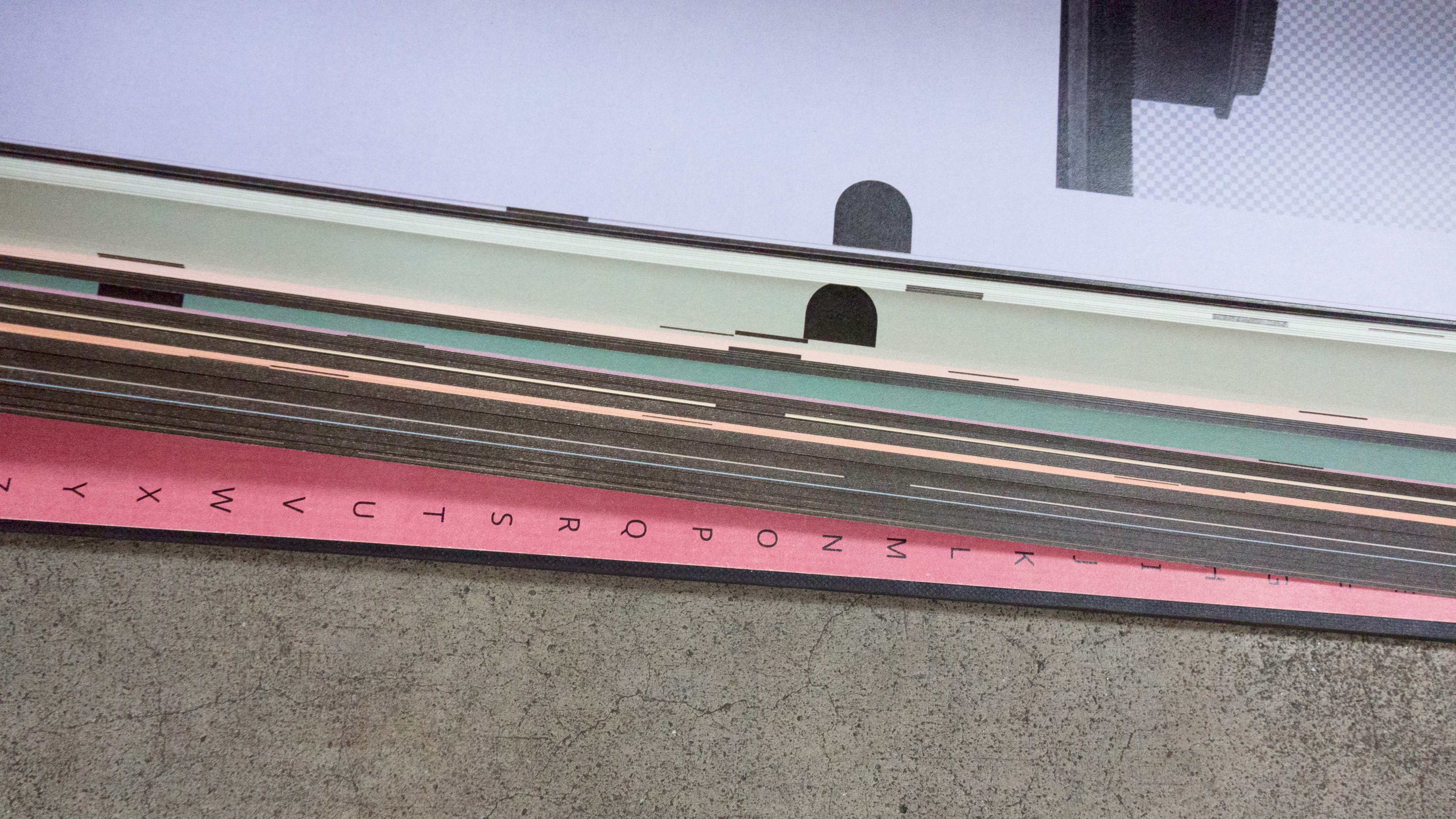
A central aim of the project was to visually demonstrate how these organisational systems influence the information we consume. Through different edge prints and page layouts, the book series as a whole becomes a data visualisation. Before the reader even opens them, this subjectivity becomes visible.
Leaving us with one conclusion: universal knowledge is unobtainable, and no knowledge tool can ever be truly democratic. Consequently, our digital search for knowledge confronts us with a pre-edited world—one constructed of the familiar.