Annika Felder
Menu
X
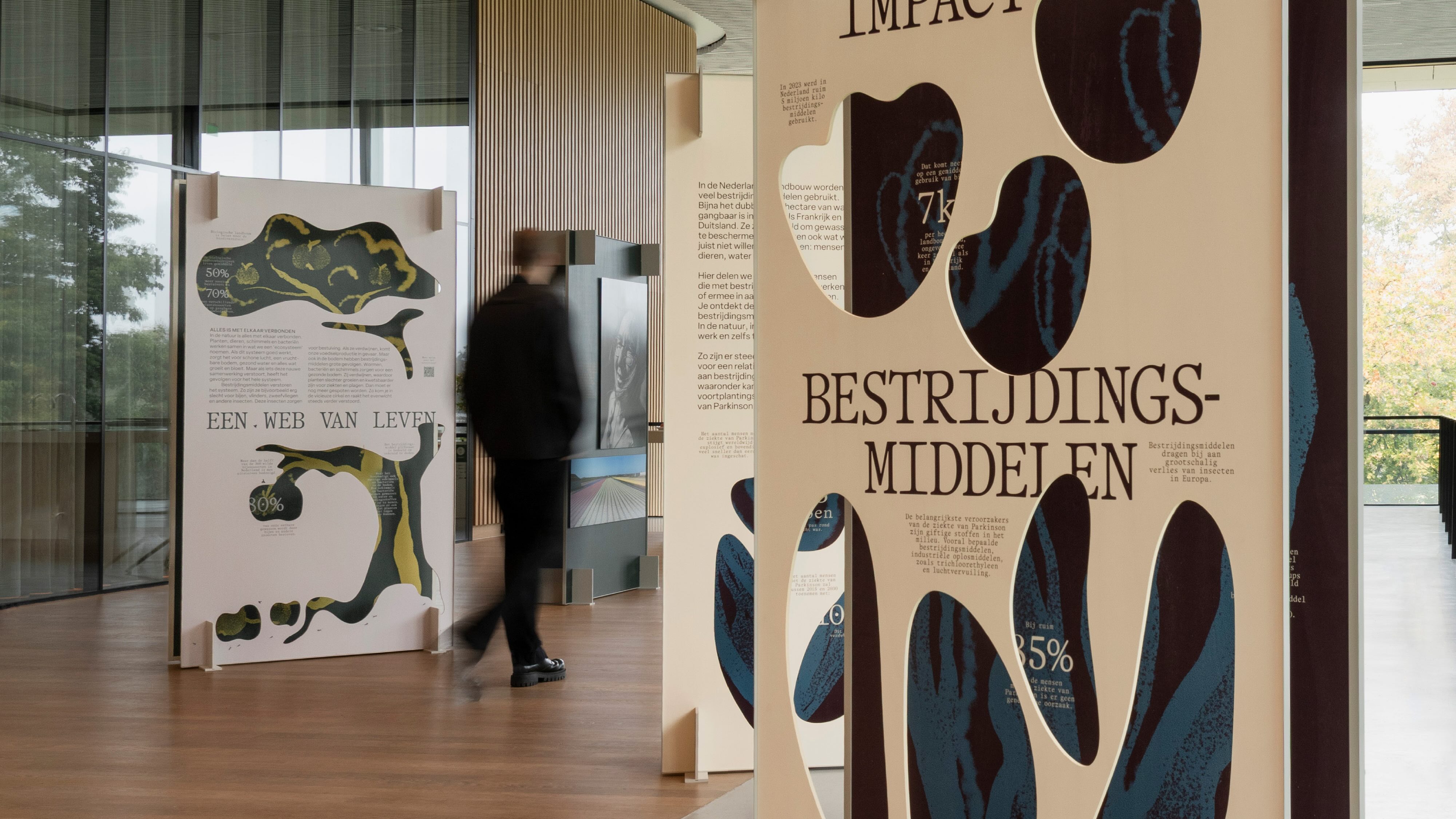
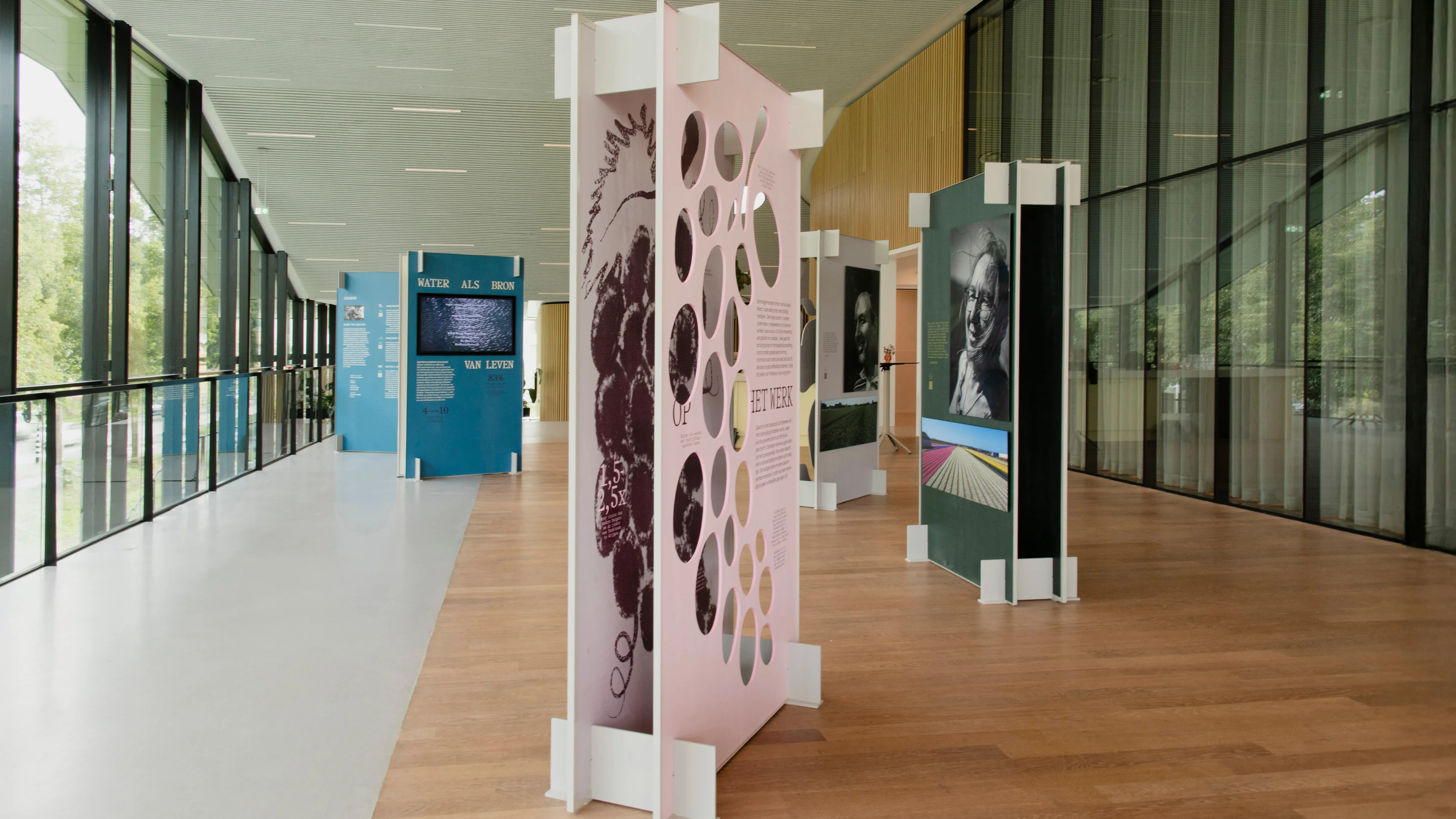
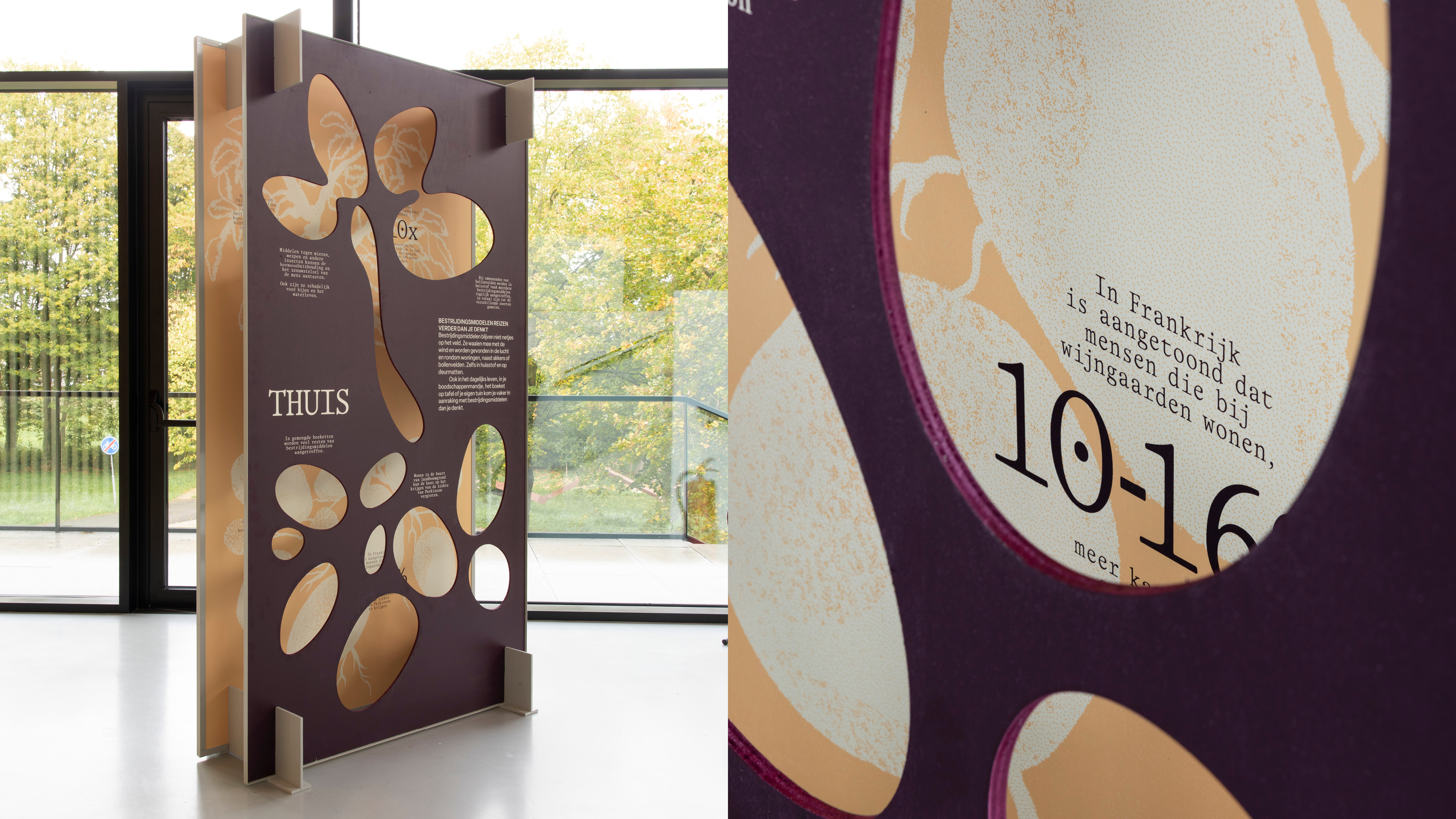
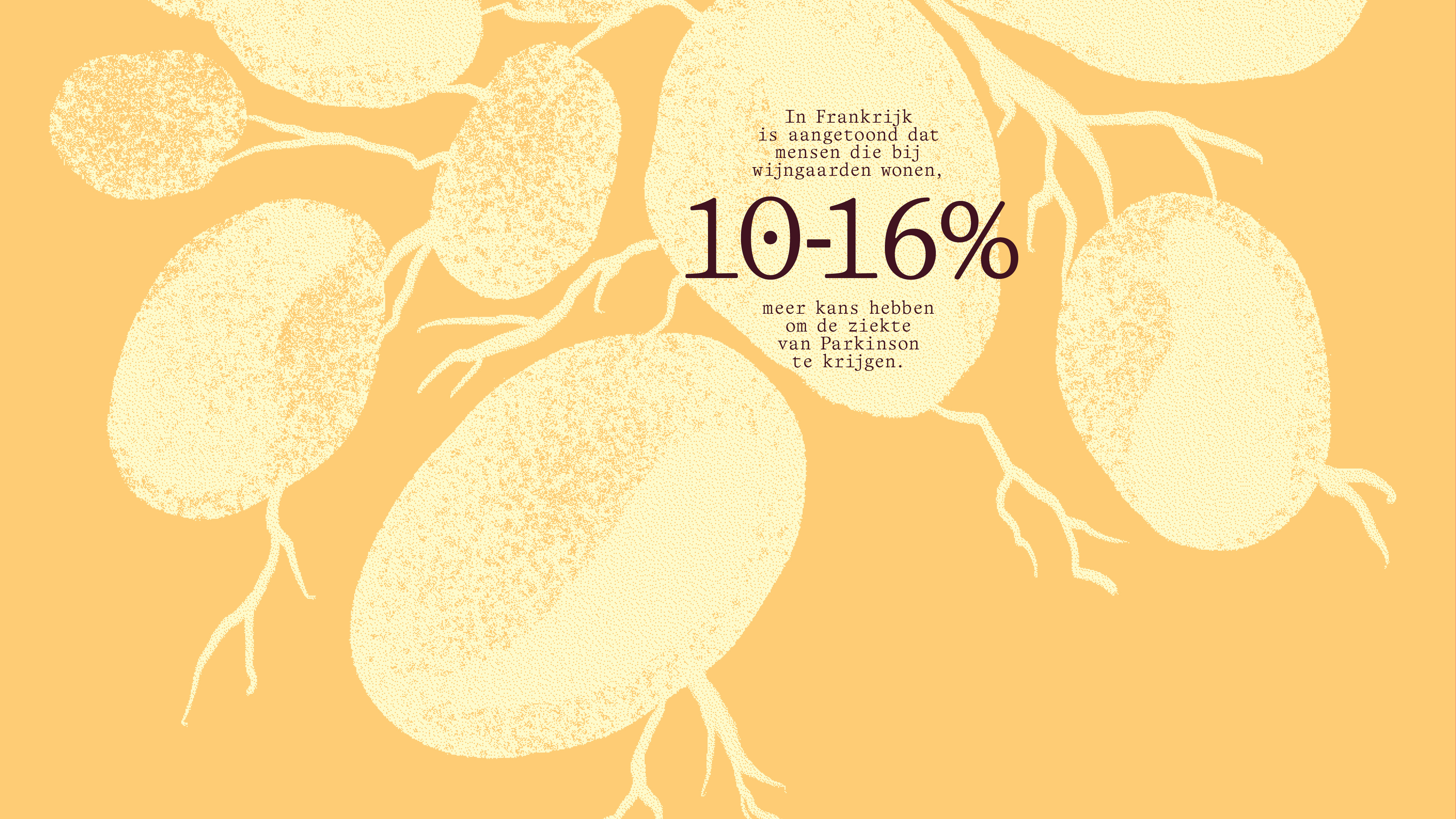
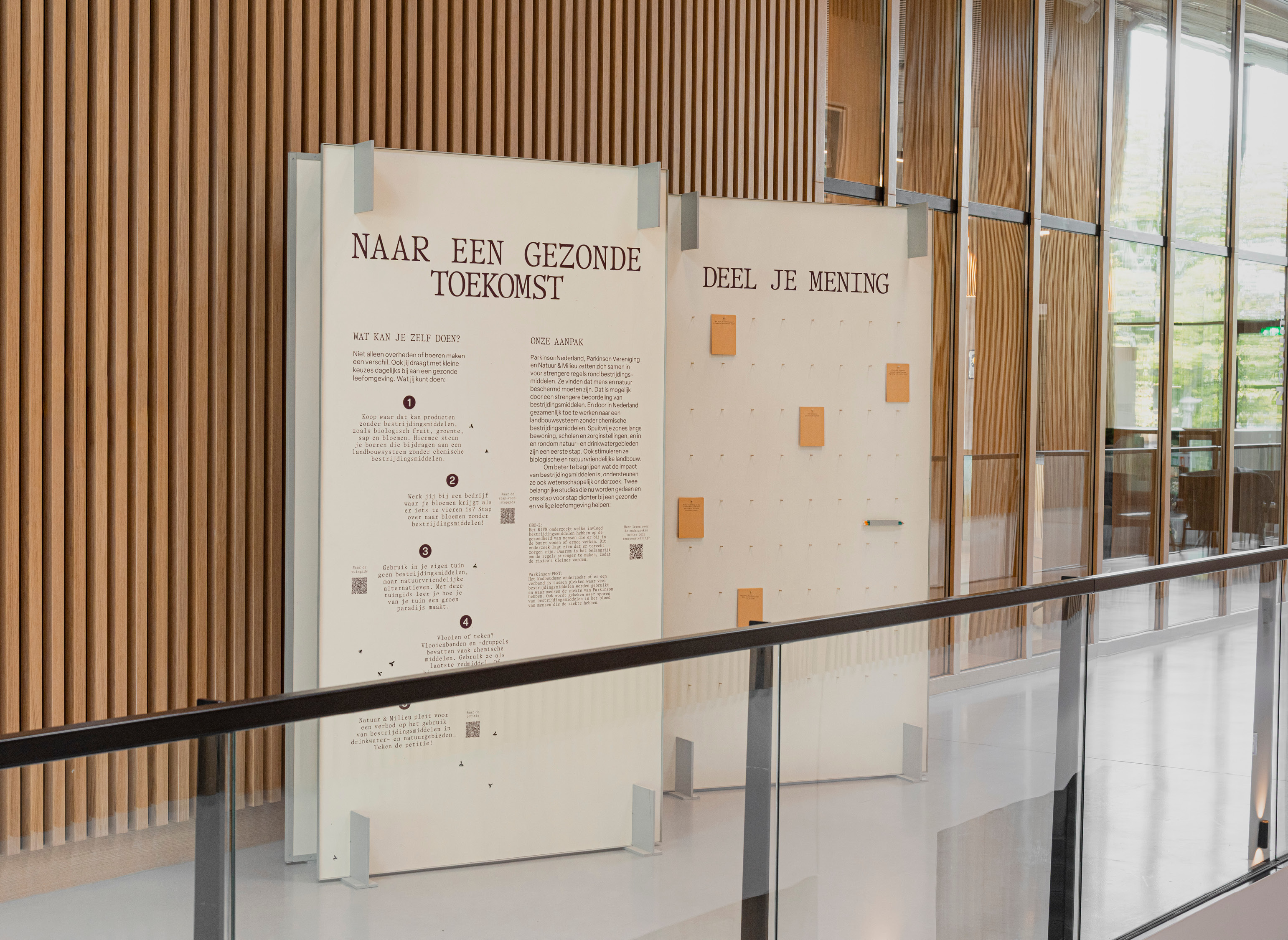
Research shows that living near vineyards can increase the risk of developing Parkinson’s disease by 10–16%, due to pesticide use and the residues that remain in our environment. These chemicals can be found in the air we breathe, the food we eat, and even in something as ordinary as a bouquet of flowers. This travelling exhibition uses spatial design to make this invisible connection between pesticides and Parkinson’s disease visible. Combining scientific research with personal stories from those affected, the installation aims to educate visitors about the growing issue and facilitate public dialogue.
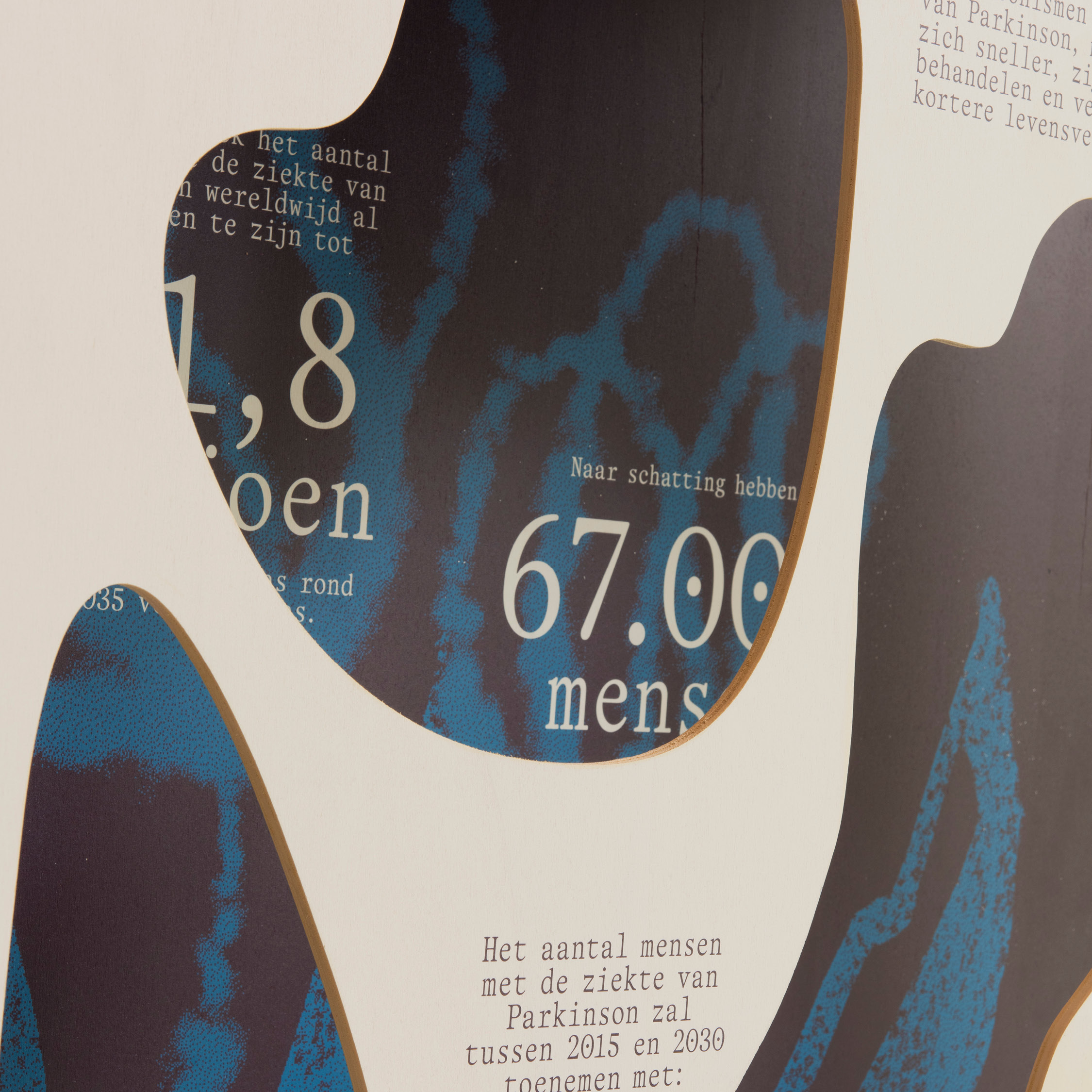
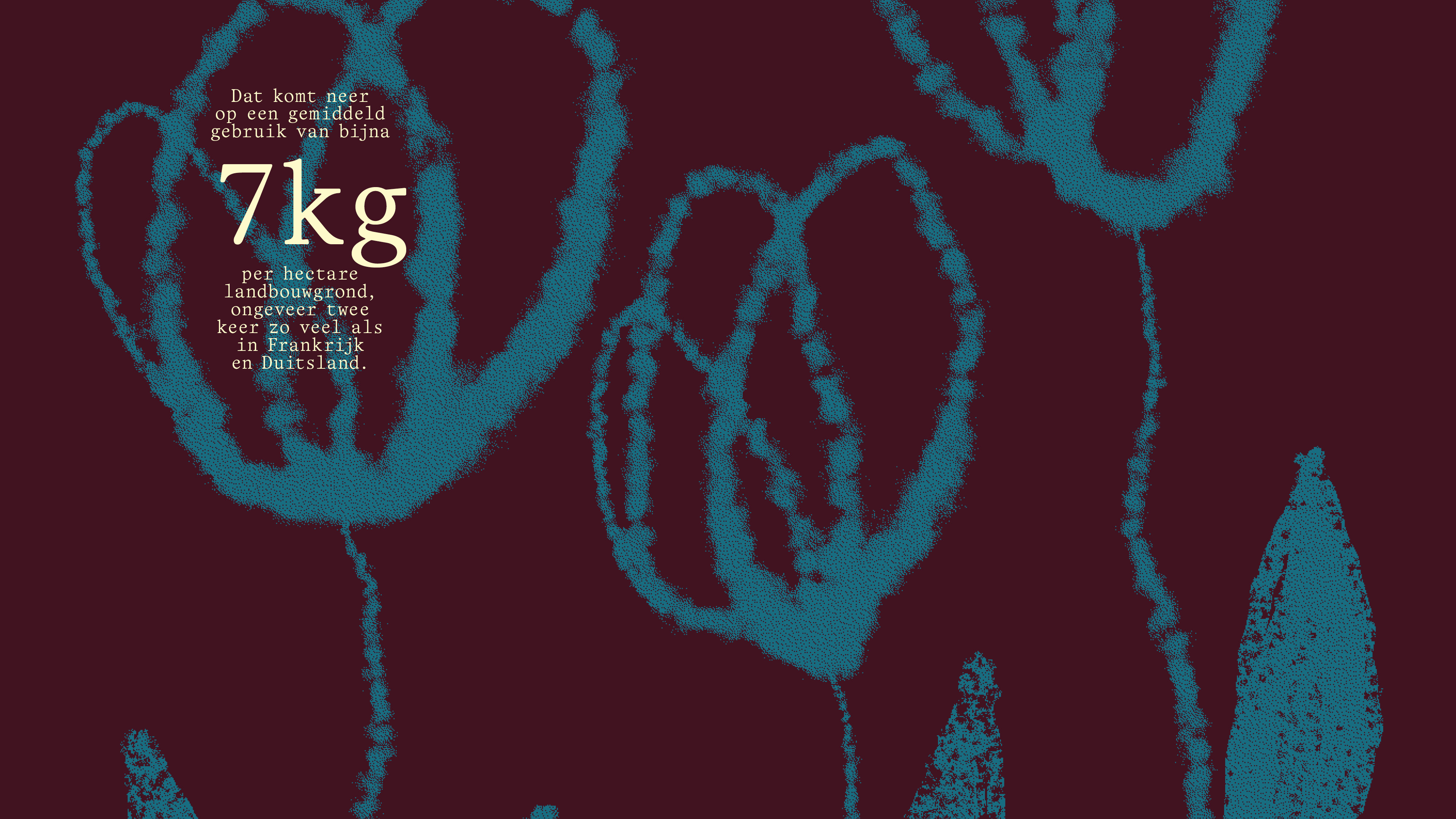
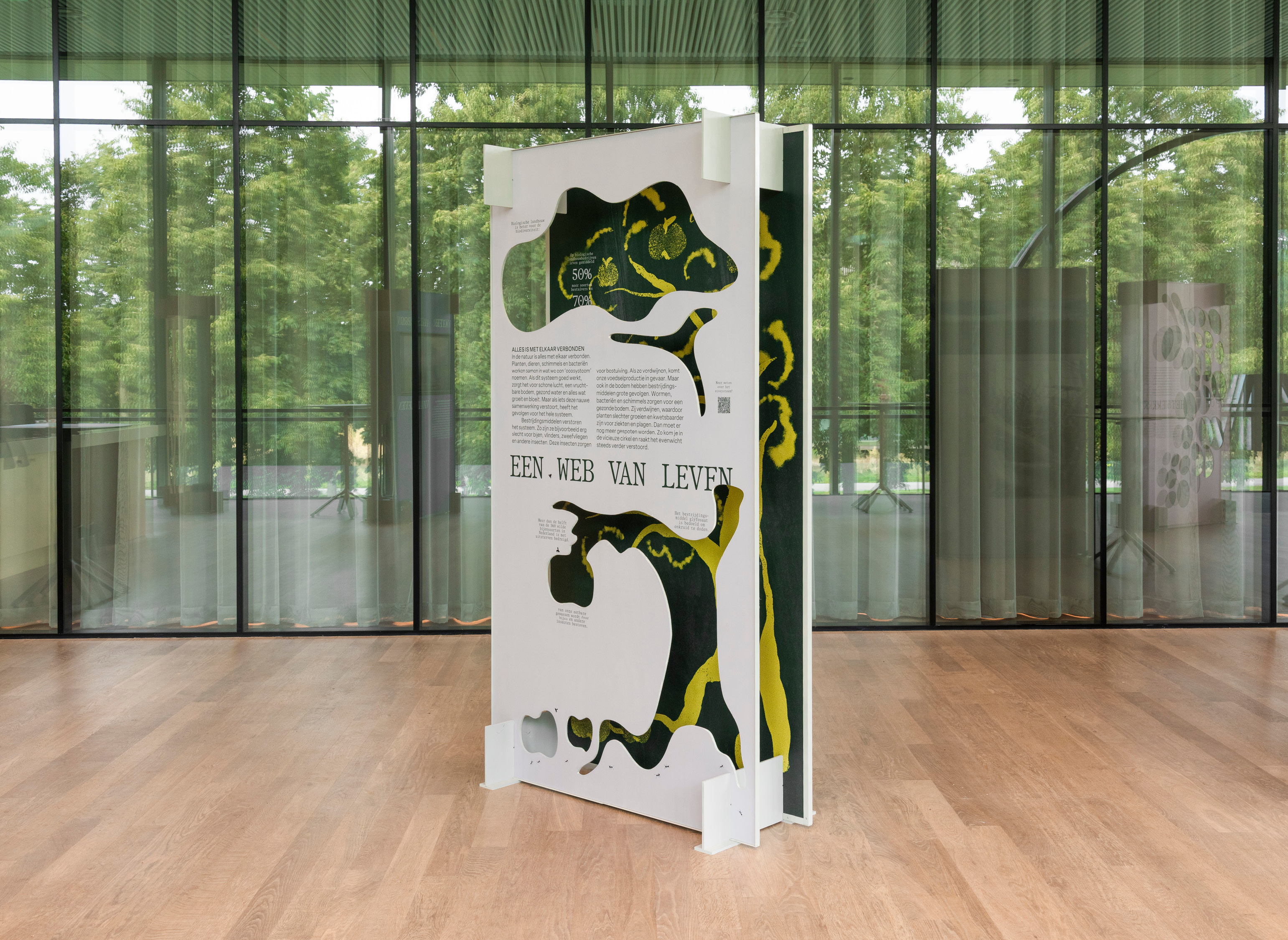
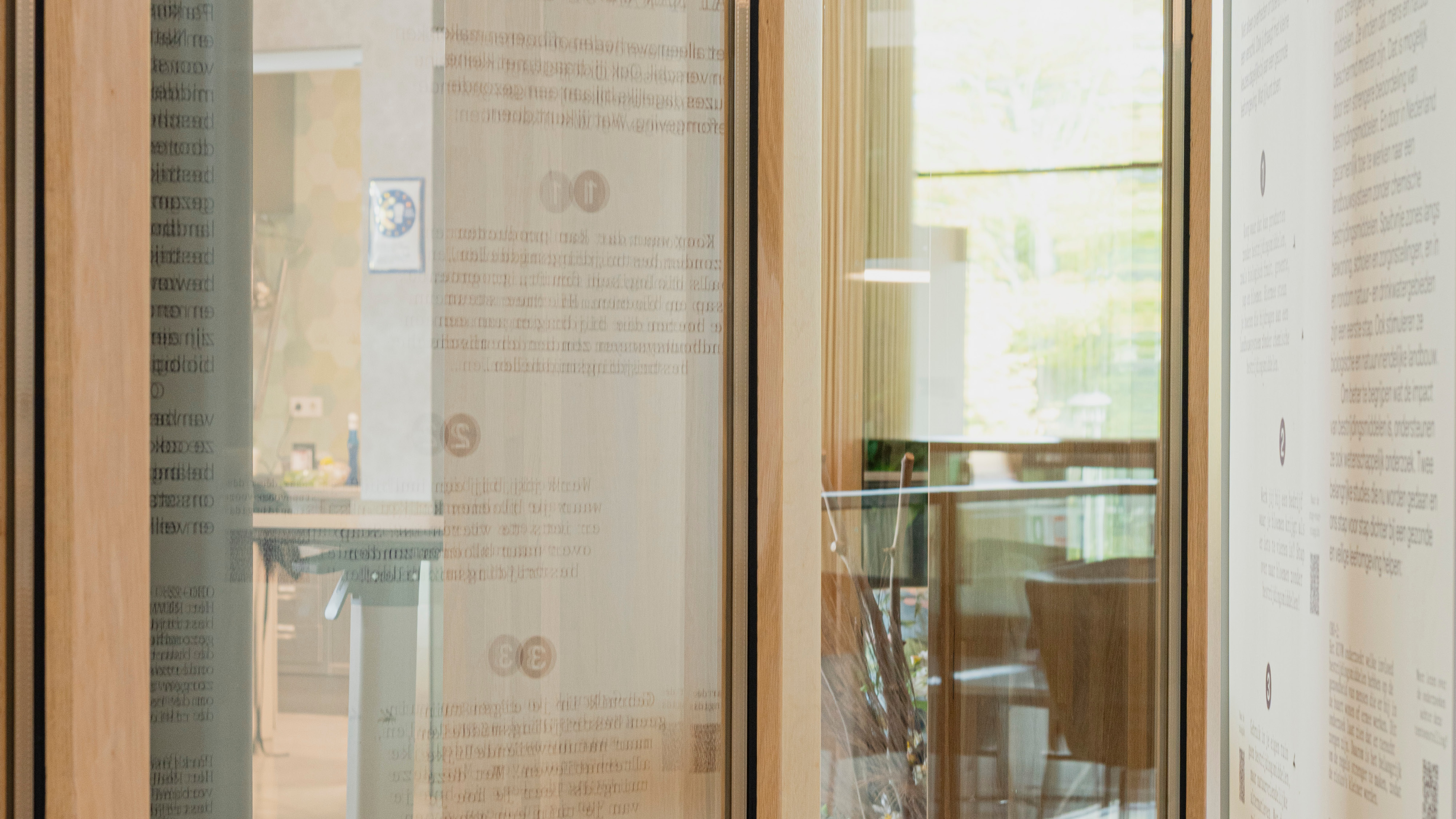
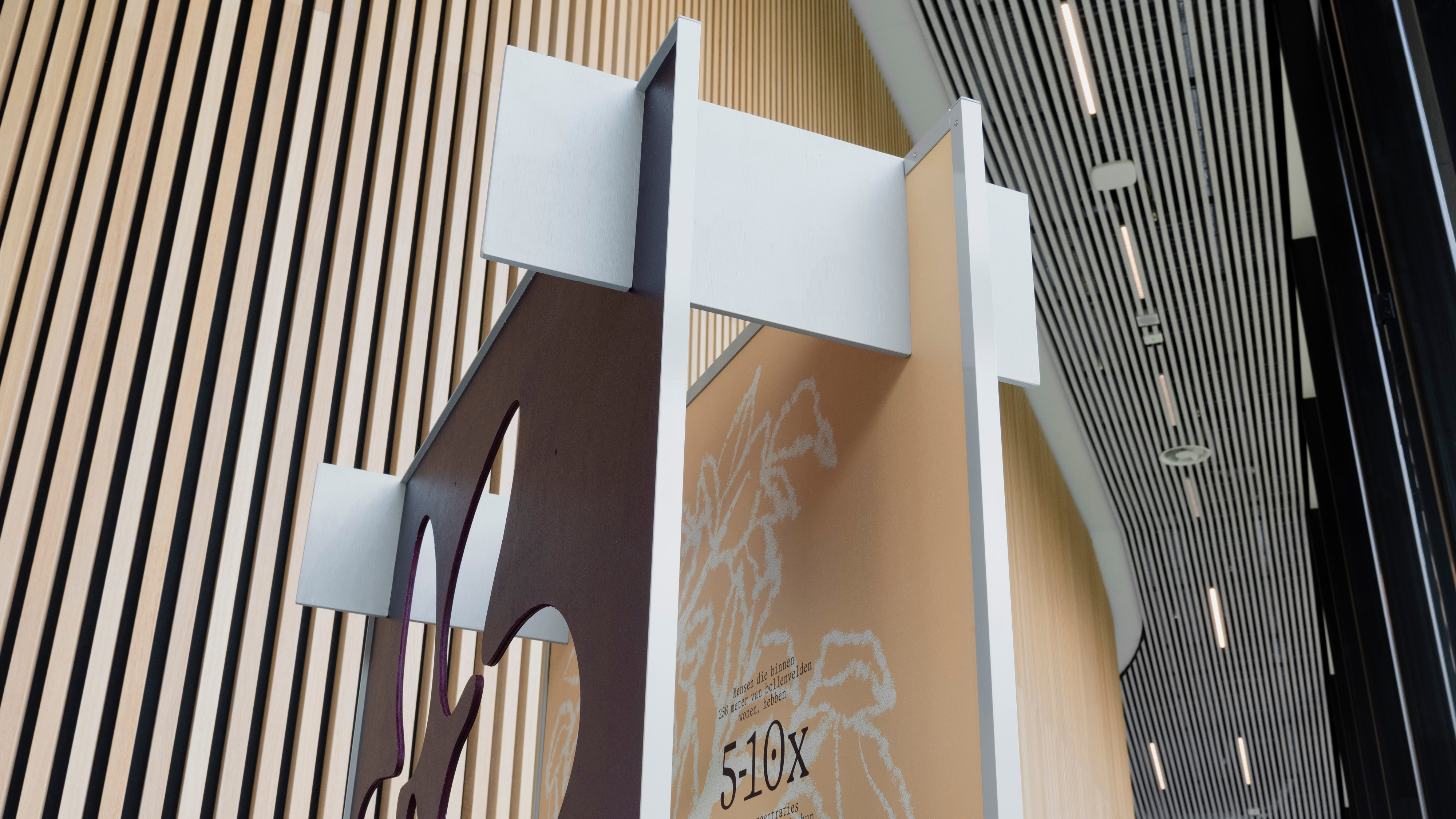
The exhibition’s spatial design is built around a series of modular panels that present the content in two layers: the visible and the invisible. The visible layer features illustrations of everyday elements such as flowers, food and trees, while the invisible layer reveals research on how pesticides affect our bodies and environment. This layered approach invites visitors to look beyond the surface.
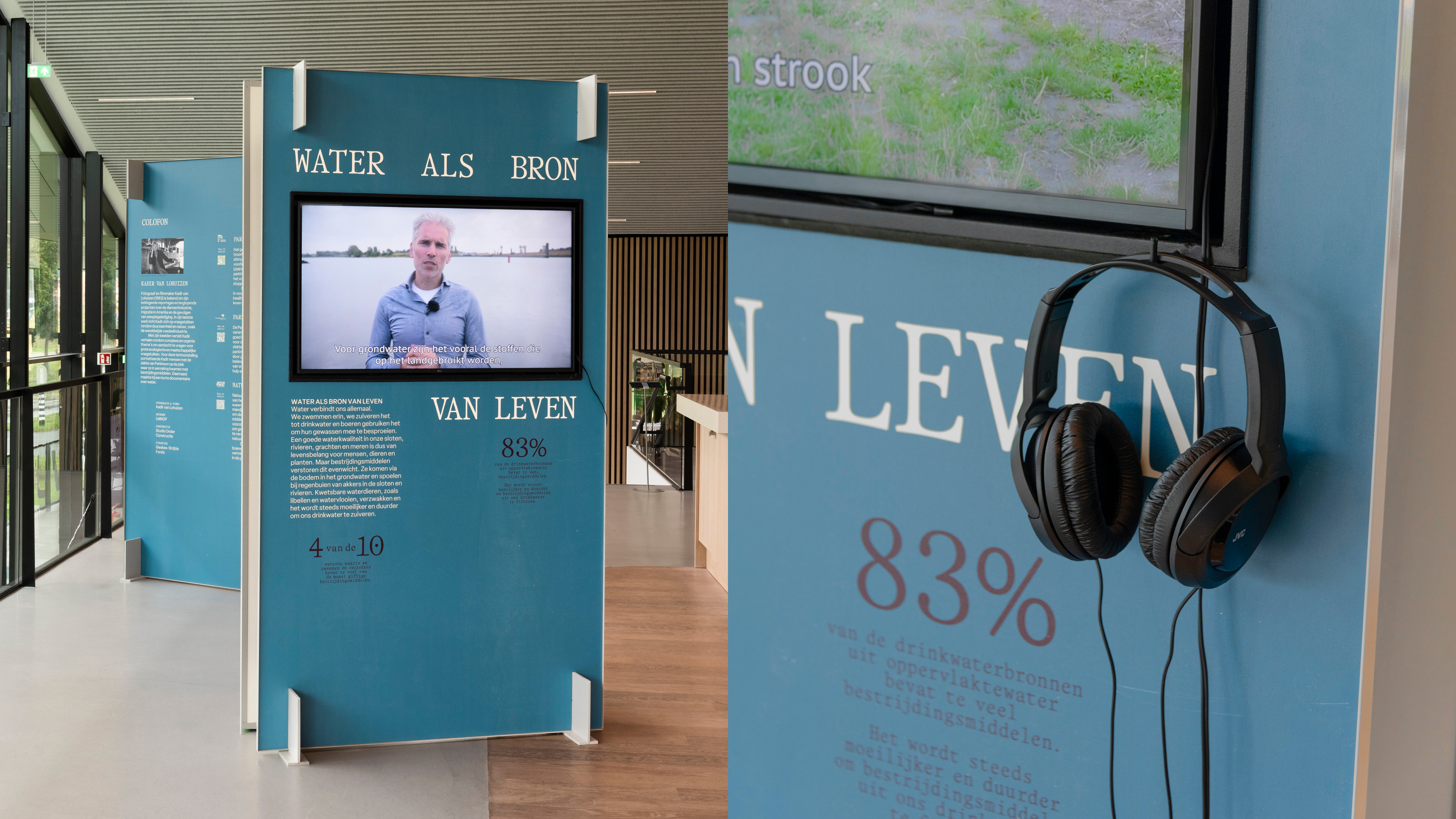
Through a combination of scientific information, audio stories, illustrations and portraits by Kadir van Lohuizen, visitors are invited to explore the topic from multiple perspectives. This immersive approach translates complex research into a tangible and accessible experience to a wide audience across the Netherlands.